
Cupping Therapy at Home: Benefits, Process, Safety and What to Expect
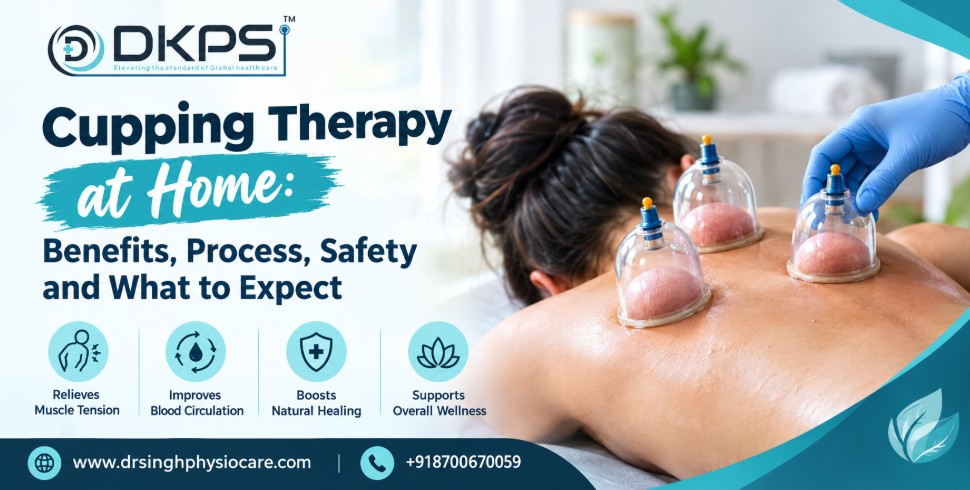
Cupping therapy at home is becoming a popular option for people looking for supportive approaches to muscle relaxation, physical recovery, and general wellness. The therapy uses specially designed cups placed on the skin to create gentle suction. Depending on the technique, cups may remain in one position or be moved across a specific area of the body. While some people report feeling relaxed and experiencing temporary relief from muscle tightness after cupping, it is important to understand that results can vary from person to person.
Professional guidance is especially useful when cupping is being considered for an existing pain or movement problem. A trained practitioner can assess the individual’s condition, determine whether cupping is appropriate, and select a suitable technique. When performed incorrectly, cupping can cause skin irritation, bruising, burns, or other complications. Therefore, home-based therapy should be approached carefully rather than treated as a simple do-it-yourself procedure.
What Is Cupping Therapy?
Cupping therapy is a complementary therapy in which cups are placed on the skin and suction is created inside them. The suction gently pulls the skin upward into the cup. Different forms of cupping are available, including dry cupping and moving cupping. Wet cupping involves making small skin punctures and should only be performed by appropriately trained professionals using proper sterile equipment.
The purpose of cupping can differ depending on the person and treatment plan. Some people use it as part of a broader approach to managing muscle tension, while others seek it for relaxation or recovery after physical activity. Cupping should not be considered a replacement for medical evaluation or physiotherapy when an underlying condition requires proper assessment.
How Cupping Therapy at Home May Work
During a home session, cups are generally placed over selected areas of the body after the skin has been checked. Suction is then created, allowing the cups to stay attached for a limited period. In some techniques, the practitioner may gently move the cup over the skin using an appropriate lubricant.
The sensation can range from mild pulling or tightness to a stronger feeling of suction. Cupping should not normally be excessively painful. Circular or reddish-purple marks can appear afterward because of the suction. These marks are generally temporary and may fade over several days, although the duration can vary.
For people considering Cupping Therapy at Home, professional assessment can help determine whether this approach is suitable for their individual needs.
Possible Benefits of Cupping Therapy
Research surrounding cupping therapy varies, and more high-quality evidence is needed for many of its claimed uses. Some people report temporary improvements in muscle comfort, relaxation, and a feeling of reduced tightness following treatment.
Cupping may be considered as one part of a broader physical recovery plan rather than a standalone solution. For example, someone experiencing muscle tightness may benefit from a combination of appropriate exercises, mobility work, hands-on treatment, activity modification, and other supportive techniques.
It is important to have realistic expectations. Cupping does not guarantee pain relief or recovery, and its suitability depends on the person’s health, symptoms, and treatment goals.
Is Home Cupping Safe?
Safety depends greatly on how the therapy is performed. Using poor-quality equipment, excessive suction, leaving cups on for too long, or applying cups to unsuitable areas may increase the risk of injury.
Wet cupping requires additional precautions because the skin is broken. Sterile equipment, proper hygiene, and appropriate disposal procedures are essential. People should not attempt invasive cupping without suitable professional training.
Cupping may also be unsuitable for certain individuals or body areas. Anyone with a medical condition, skin problem, bleeding tendency, or other health concern should seek appropriate professional advice before treatment.
What to Do After Cupping Therapy
After a session, the treated area may feel slightly sensitive. Keeping the area clean and avoiding unnecessary irritation can help maintain comfort. Temporary marks are common with suction-based cupping and usually fade naturally.
It is also useful to pay attention to how the body responds. Severe pain, unusual swelling, blistering, signs of infection, or symptoms that do not settle should not be ignored. In such situations, medical advice may be appropriate.
If your main concern involves ongoing pain or restricted movement, consulting a qualified <a href="https://drsinghphysiocare.com/best-physiotherapist-in-delhi-ncr">physiotherapist near me</a> can help identify the underlying problem and create a more suitable recovery plan.
Who Should Consider Professional Guidance?
Professional guidance is particularly valuable when someone wants cupping because of persistent pain, sports-related discomfort, recurring muscle tightness, or reduced mobility. Instead of choosing treatment based only on symptoms, a practitioner can consider movement, posture, previous injuries, activity levels, and other relevant factors.
The goal should be to use cupping appropriately within an overall care plan. Depending on the assessment, another treatment approach may be more suitable, or cupping may be used only as a complementary technique.
Frequently Asked Questions
Can cupping therapy be done at home?
Some forms of non-invasive cupping can be provided in a home setting by a trained practitioner. However, people should avoid attempting complicated or invasive techniques without appropriate training and hygiene measures.
Does cupping therapy hurt?
Cupping usually creates a pulling or tight sensation rather than sharp pain. Strong suction can cause discomfort and more noticeable bruising, so treatment intensity should be appropriate for the individual.
How long do cupping marks last?
Cupping marks can vary in appearance and may fade within several days. The exact duration depends on factors such as suction intensity and individual skin response.
Can cupping replace physiotherapy?
No. Cupping should generally be viewed as a complementary approach rather than a replacement for proper assessment, exercise therapy, rehabilitation, or medical care when these are needed.
Is wet cupping suitable for home treatment?
Wet cupping involves breaking the skin and carries additional risks, including infection and bleeding. It should only be performed by an appropriately trained professional using proper sterile procedures.
How often can cupping therapy be used?
There is no single schedule that is appropriate for everyone. Frequency should depend on the person’s goals, response to treatment, overall health, and professional assessment.
Can cupping help with muscle tightness?
Some people report temporary relief from muscle tightness after cupping, but individual responses differ. It is best considered alongside appropriate movement, exercise, and rehabilitation strategies when required.
Targeted Service Locations for this Therapy
AI Precision Recovery Roadmap
Our structured recovery pathway ensures accurate diagnostics and active care beyond clinic doors.
1. Assess
AI + Physio Precision
2. Plan
Smart-Goals Pathway
3. Track
Proof of Progress
4. Advance
Care Beyond Clinic
Watch Video Guide
Article Info
Author
DKPS - Dr Kp Singh - MPT Orthopaedics - Joint Musces and spine specialist
Recovery Services
Functional Strength Expert
Physio-led strengthening
Geriatric Physiotherapy
Active aging & joint mobility
Home Physiotherapy
Premium clinical care at home
Neuro Physiotherapy
Post-stroke & paralysis recovery
Locations
Service Locations
Treatable Conditions
Follow DKPS PhysioCare
Stay connected with us for health tips, rehabilitation guides & live updates.
Recommended Specialists
Consult with our licensed senior therapists for a personalized treatment roadmap.






Active Healing
Need Specialized Physiotherapy?
Book a home visit or clinic consultation with our senior specialist doctors for a personalized diagnosis.