
Physiotherapy for Slip Disc and Sciatica: A Complete Guide
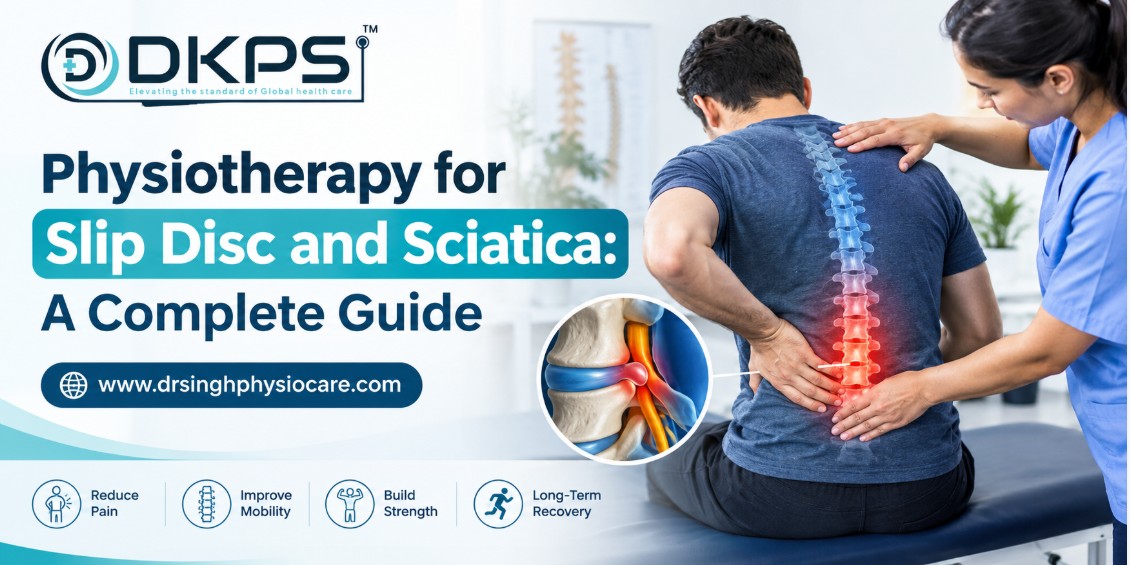
Back pain can affect everyday life in many ways, especially when the pain travels from the lower back into the hip, buttock, or leg. Two common conditions associated with this type of discomfort are a slip disc and sciatica. While these conditions can be painful and limit mobility, the right diagnosis, professional guidance, and rehabilitation plan may help improve movement and manage symptoms.
This complete guide explains slip disc, sciatica, their symptoms, and how physiotherapy can support recovery.
What Is a Slip Disc?
A “slip disc” is a commonly used term for a condition involving an intervertebral disc in the spine. The discs act as cushions between the bones of the spine. Sometimes, a disc can bulge or herniate and may irritate nearby nerves.
This can lead to symptoms such as:
Lower back pain
Pain while bending or sitting
Stiffness in the back
Pain radiating into the leg
Tingling or numbness
Muscle weakness in some cases
The severity and type of symptoms can vary depending on the affected area and the nerve involved.
What Is Sciatica?
Sciatica refers to symptoms caused by irritation or compression of the sciatic nerve or the nerve roots that contribute to it. The pain often travels from the lower back through the buttock and down one leg.
Common symptoms of sciatica include:
Sharp or burning pain in the leg
Lower back discomfort
Tingling or numbness
Pain while standing or sitting for long periods
Difficulty walking comfortably
Weakness in the affected leg
Sciatica is a symptom pattern rather than a diagnosis by itself. A healthcare professional can help identify the underlying cause.
What Causes Slip Disc and Sciatica?
Several factors may contribute to disc-related problems and sciatic symptoms. These can include:
1. Poor Posture
Long hours of sitting, incorrect posture, and poor body mechanics may increase stress on the spine.
2. Heavy Lifting
Improper lifting techniques can place excessive strain on the lower back.
3. Sedentary Lifestyle
Limited physical activity can contribute to reduced flexibility and muscle weakness.
4. Age-Related Changes
Spinal discs naturally change over time, which may increase the likelihood of certain disc problems.
5. Previous Injuries
A previous back injury or repeated strain may affect spinal movement and function.
How Can Physiotherapy Help with Slip Disc and Sciatica?
Physiotherapy focuses on improving movement, restoring function, and helping patients manage pain through an individualized rehabilitation approach.
A physiotherapist may first assess your posture, mobility, muscle strength, symptoms, and daily activities before planning treatment.
Depending on the individual's condition, a physiotherapy programme may include the following.
Pain Management Techniques
A physiotherapist may use appropriate therapeutic approaches to help manage pain and improve comfort. The treatment plan should always be based on an individual's condition and professional assessment.
Gentle Mobility Exercises
Restricted movement can sometimes increase stiffness and affect daily activities. Controlled exercises may help improve mobility and flexibility.
Strengthening Exercises
Weakness in the core, back, hip, and surrounding muscles can affect spinal support. A physiotherapist may recommend exercises designed to improve strength and stability.
Posture Correction
Posture plays an important role in spinal health. Learning how to sit, stand, sleep, and perform daily activities correctly may help reduce unnecessary strain on the back.
Movement and Activity Guidance
A physiotherapist can guide patients regarding safe movement patterns and help them gradually return to daily activities.
Why Is an Individualized Physiotherapy Plan Important?
Every patient experiences pain differently. The same exercise or treatment approach may not be suitable for everyone.
Factors such as age, activity level, severity of symptoms, medical history, and the underlying cause should be considered before creating a rehabilitation plan.
If you are searching for the Best Physiotherapist in South Delhi, choosing a qualified professional who performs a proper assessment can help you understand your condition and rehabilitation needs.
At DR SINGH PHYSIOCARE, the focus is on patient assessment and personalized physiotherapy support based on individual mobility, pain, and functional requirements.
Exercises for Slip Disc and Sciatica
Exercises should not be copied blindly from the internet because the appropriate exercise can depend on the cause and nature of symptoms.
A physiotherapist may recommend exercises that focus on:
Improving spinal mobility
Strengthening core muscles
Improving hip strength
Increasing flexibility
Improving posture
Supporting safe movement
It is important to perform exercises with the correct technique. If an exercise increases pain significantly or causes new symptoms, professional advice should be sought.
Daily Tips for Managing Back Pain and Sciatic Symptoms
Along with professional guidance, certain lifestyle habits may support spinal health.
Avoid Prolonged Sitting
Take regular breaks if your work requires sitting for long periods.
Maintain Good Posture
Keep your workstation comfortable and avoid positions that place unnecessary strain on your neck and back.
Lift Objects Carefully
Bend your knees and use proper body mechanics instead of placing excessive pressure on your lower back.
Stay Physically Active
Appropriate physical activity can help maintain mobility and muscle strength.
Follow Your Rehabilitation Plan
Consistency is important when following a physiotherapy programme. Follow the guidance provided by your healthcare professional.
When Should You Consult a Physiotherapist?
You may consider seeking professional assessment if back or leg pain is affecting your daily activities, movement, sleep, or work.
Many people search online for Physiotherapy Near Me when pain begins interfering with everyday life. However, selecting the right professional should involve more than simply choosing the nearest clinic. Proper assessment, qualification, experience, and an individualized treatment approach are important factors.
A physiotherapist can assess your symptoms and recommend appropriate rehabilitation or advise you if further medical evaluation is required.
When Should You Seek Urgent Medical Attention?
Some symptoms require prompt medical assessment. Seek urgent medical care if you experience severe or worsening weakness, significant loss of sensation, or changes in bladder or bowel function, especially when associated with back pain.
Do not ignore severe or rapidly worsening symptoms.
Choosing the Right Physiotherapist for Slip Disc and Sciatica
When selecting a physiotherapist, consider factors such as:
Professional qualifications
Experience with musculoskeletal conditions
A detailed initial assessment
Personalized rehabilitation planning
Clear communication
Exercise and lifestyle guidance
Follow-up and progress monitoring
For individuals looking for the Best Physiotherapist in South Delhi, it is important to choose a physiotherapy professional based on appropriate qualifications and the ability to provide a patient-focused treatment plan.
Similarly, if you are searching for Physiotherapy Near Me, consider the quality of assessment and care rather than convenience alone.
DR SINGH PHYSIOCARE provides physiotherapy support with a focus on understanding individual concerns, improving mobility, and helping patients work towards better physical function through appropriate rehabilitation.
Frequently Asked Questions
1. Can physiotherapy help with slip disc and sciatica?
Physiotherapy may help manage symptoms, improve mobility, strengthen supporting muscles, and support functional recovery. The treatment plan depends on the individual's diagnosis and condition.
2. How long does recovery from sciatica take?
Recovery time varies from person to person. It depends on the underlying cause, severity of symptoms, overall health, and adherence to the recommended treatment plan.
3. Should I exercise when I have sciatica?
Some exercises may be beneficial, while others may not be appropriate. It is best to follow exercises recommended by a qualified healthcare professional after proper assessment.
4. Can poor posture cause sciatica?
Poor posture may contribute to increased stress on the back and surrounding structures. However, sciatica can have different underlying causes, so proper evaluation is important.
5. Is walking good for slip disc and sciatica?
Walking may be suitable for some individuals, depending on their symptoms and condition. A physiotherapist can provide guidance on safe activity levels.
6. Can a slip disc heal without surgery?
Treatment depends on the type and severity of the condition. Many cases may be managed conservatively, but some individuals may require additional medical evaluation or treatment.
7. When should I see a physiotherapist for back pain?
Consider professional assessment when pain persists, affects daily activities, limits movement, or causes pain radiating into the leg.
Conclusion
Slip disc and sciatica can affect mobility, work, sleep, and overall quality of life. Understanding the underlying cause is an important first step toward appropriate management. Physiotherapy may play a valuable role in improving movement, building strength, correcting movement patterns, and supporting recovery.
A personalized assessment is essential because every patient's symptoms and physical condition are different. With appropriate professional guidance, consistent rehabilitation, and healthy movement habits, many people can work toward improved mobility and better management of back-related symptoms.
Targeted Service Locations for this Therapy
AI Precision Recovery Roadmap
Our structured recovery pathway ensures accurate diagnostics and active care beyond clinic doors.
1. Assess
AI + Physio Precision
2. Plan
Smart-Goals Pathway
3. Track
Proof of Progress
4. Advance
Care Beyond Clinic
Watch Video Guide
Article Info
Author
DKPS - Dr Kp Singh - MPT Orthopaedics - Joint Musces and spine specialist
Recovery Services
Functional Strength Expert
Physio-led strengthening
Geriatric Physiotherapy
Active aging & joint mobility
Home Physiotherapy
Premium clinical care at home
Neuro Physiotherapy
Post-stroke & paralysis recovery
Locations
Service Locations
Treatable Conditions
Follow DKPS PhysioCare
Stay connected with us for health tips, rehabilitation guides & live updates.
Recommended Specialists
Consult with our licensed senior therapists for a personalized treatment roadmap.







Active Healing
Need Specialized Physiotherapy?
Book a home visit or clinic consultation with our senior specialist doctors for a personalized diagnosis.