
Home Physiotherapy: A Complete Guide to Treatment at Home
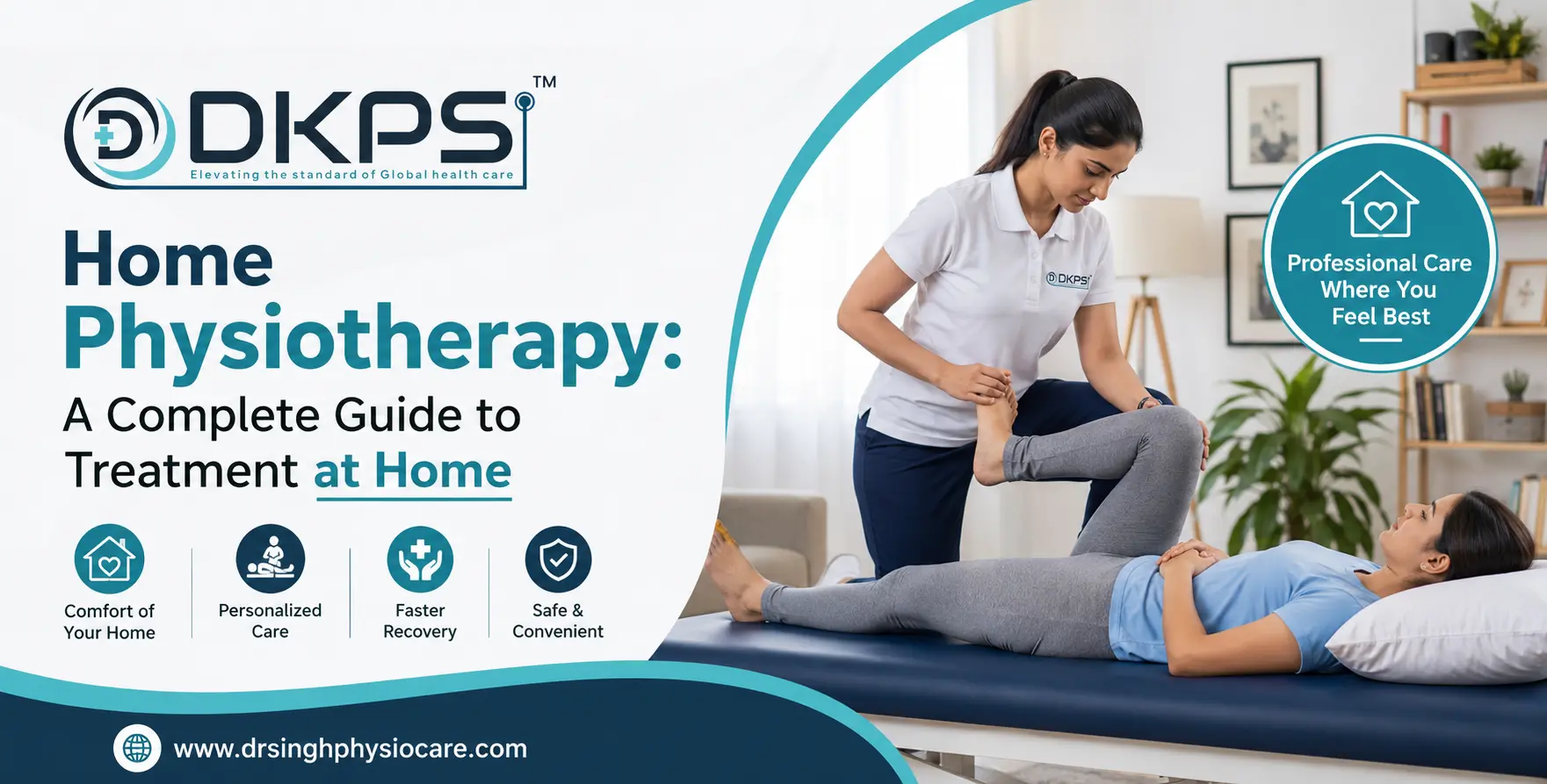
Recovering from an injury, surgery, or long-term pain can be challenging, especially when travelling to a clinic regularly feels uncomfortable or difficult. This is where home-based physiotherapy can make the recovery process more convenient. Instead of visiting a clinic for every session, a qualified physiotherapist can provide treatment in the comfort of your own home.
Home physiotherapy is not simply about making treatment more convenient. It allows the therapist to understand how a person moves within their everyday environment and develop exercises and treatment techniques according to their individual needs. It can be particularly useful for people with mobility limitations, older adults, patients recovering after surgery, and those who find travelling difficult.
What Is Home Physiotherapy?
Home physiotherapy is a form of physical rehabilitation where a trained physiotherapist provides assessment, treatment, exercises, and rehabilitation guidance at the patient's home. The treatment approach depends on the person's condition, physical ability, symptoms, and recovery goals. Rather than following a standard routine, the physiotherapist can modify the session according to how the patient is progressing.
A home session may include movement assessment, therapeutic exercises, manual techniques, stretching, strengthening activities, posture correction, and advice about daily movements. The overall purpose is to improve physical function while helping the patient become more confident with movement.
Home physiotherapy may be considered for people experiencing:
Back and neck discomfort
Joint stiffness and reduced mobility
Sports-related injuries
Post-surgical rehabilitation needs
Muscle weakness
Balance and coordination difficulties
Difficulty walking
Age-related mobility concerns
Recovery after certain injuries
Long-term musculoskeletal problems
Why Choose Physiotherapy Treatment at Home?
One of the biggest advantages of home treatment is convenience. Patients do not need to arrange transportation, wait in a clinic, or spend additional time travelling before and after their appointment. This can be especially helpful when movement itself is uncomfortable or when someone needs assistance getting around.
Another benefit is that treatment takes place in the environment where many daily activities actually happen. A physiotherapist may observe how a person walks around their home, gets up from a chair, climbs steps, or performs other everyday movements. This can provide useful information when planning practical exercises and safety recommendations.
Home treatment can also make sessions feel more relaxed for some patients. Being in a familiar environment may help them communicate their concerns more openly and participate more comfortably in rehabilitation.
Who Can Benefit From Home Physiotherapy?
Home physiotherapy can be suitable for a wide range of people, but the exact treatment plan should always be based on an individual assessment. Someone recovering from a minor injury may need a different approach from an older adult experiencing significant mobility limitations. Similarly, rehabilitation following surgery may require a carefully structured progression.
People who may benefit include those who have difficulty travelling because of pain, weakness, restricted movement, or temporary mobility limitations. It can also be useful for patients who need support with exercises and want professional guidance while performing movements in their everyday surroundings.
Common situations where home treatment may be considered include:
Recovery after an operation
Difficulty walking or standing
Reduced strength after prolonged inactivity
Joint or muscle problems
Rehabilitation following an injury
Balance-related concerns
Limited mobility in older adults
Patients who find frequent clinic visits inconvenient
What Happens During a Home Physiotherapy Session?
A home physiotherapy session usually begins with an assessment. The physiotherapist may ask about symptoms, previous injuries, medical history relevant to the physical problem, daily activities, and specific difficulties the patient is experiencing. They may also assess movement, flexibility, strength, balance, posture, and functional ability.
After the assessment, the therapist can develop a treatment plan based on the patient's needs. The session may include hands-on techniques, guided exercises, mobility work, strengthening activities, or education about safe movement.
A typical session may involve:
Initial physical assessment
Discussion about symptoms and goals
Mobility and movement evaluation
Therapeutic exercises
Strength and flexibility work
Manual physiotherapy techniques when appropriate
Home exercise guidance
Advice about posture and daily activities
Progress monitoring
The treatment plan can be adjusted over time depending on how the patient responds and progresses.
How to Find the Right Physiotherapist for Home Treatment
Choosing a suitable professional is an important part of getting effective physiotherapy. When searching for a Home Physiotherapy Near Me, it is easy to focus only on convenience or distance. However, qualifications, experience, communication, treatment approach, and understanding of your particular condition are also important factors.
Before booking a session, consider asking about the therapist's professional qualifications and experience with conditions similar to yours. It is also useful to understand what the first assessment includes and whether the treatment plan will be customized according to your needs.
You can consider the following points:
Professional qualifications and registration
Experience with your specific condition
Treatment approach
Availability and scheduling
Communication and explanation of exercises
Home visit coverage
Session duration and fees
Follow-up and progress assessment
A good physiotherapist should be willing to explain the treatment process clearly rather than promising instant results.
Home Physiotherapy vs Clinic-Based Physiotherapy
Both home and clinic-based physiotherapy can be useful, and the better option depends on the patient's condition and circumstances. A clinic may provide access to specialized equipment and a dedicated rehabilitation space. On the other hand, home treatment can be more practical for people who have difficulty travelling or prefer rehabilitation in their everyday environment.
Home treatment can also help therapists understand certain functional challenges that may not be obvious inside a clinic. For example, a patient might be comfortable walking on a flat clinic floor but struggle with steps or furniture at home.
When deciding between the two, consider:
Your mobility level
The type of condition being treated
Whether specialized equipment is required
Travel convenience
Your personal comfort
The goals of rehabilitation
Recommendations from your healthcare professional
The right choice should focus on what supports safe and consistent rehabilitation.
How Often Should You Have Home Physiotherapy?
There is no single schedule that works for everyone. The frequency of physiotherapy depends on the condition, severity of symptoms, treatment goals, physical capacity, and progress. Some patients may require more frequent sessions during the early stages of recovery, while others may benefit from less frequent professional supervision combined with exercises at home.
A physiotherapist can recommend an appropriate schedule after assessing the patient's condition. The plan may also change as strength, mobility, and confidence improve.
Consistency is often more important than simply attending a large number of sessions. Patients should follow their prescribed exercises correctly and communicate if an activity causes unusual discomfort or if their symptoms change.
How Can You Get Better Results From Home Physiotherapy?
Physiotherapy is generally most effective when the patient actively participates in the rehabilitation process. Attending sessions is only one part of recovery. Following exercise instructions, maintaining appropriate activity levels, and communicating honestly with the physiotherapist can make the rehabilitation process more productive.
Patients can support their progress by:
Following the recommended exercise routine
Performing exercises with correct technique
Asking questions when instructions are unclear
Reporting changes in symptoms
Avoiding activities that have not been recommended
Maintaining consistency between sessions
Following safety recommendations around the home
Attending scheduled assessments and follow-ups
It is also important not to compare your recovery with someone else's. Recovery time can vary considerably depending on the individual and the underlying condition.
What Should You Look for When Searching for a Physiotherapist Near You?
When people search for a Physiotherapist Near Me, they often want someone who is accessible and available quickly. However, proximity should not be the only consideration. A physiotherapist's expertise and ability to create an individualized treatment plan are equally important.
Look for a professional who takes time to understand your symptoms and explains why particular exercises or techniques are being recommended. Clear communication can make rehabilitation easier to follow and can help patients feel more confident about their recovery.
Before choosing a provider, check:
Qualifications and professional experience
Relevant treatment expertise
Patient communication
Availability for home visits
Personalized treatment planning
Reviews and reputation
Transparent pricing
Follow-up support
For patients considering professional home-based rehabilitation, Dr Singh Physiocare can be one option to explore when looking for physiotherapy services.
Frequently Asked Questions
Is home physiotherapy suitable for everyone?
Not necessarily. Home physiotherapy can be useful for many people, but suitability depends on the patient's condition, symptoms, mobility, and treatment requirements. Some conditions may require specialized equipment or assessment in a clinical setting. A qualified physiotherapist can determine whether home treatment is appropriate after understanding the patient's situation.
Can physiotherapy at home help with back pain?
Physiotherapy may help people manage certain types of back pain by improving movement, strength, flexibility, posture, and functional ability. The treatment depends on the underlying cause of the pain. A physiotherapist should assess the patient before recommending specific exercises rather than relying on a generic routine.
How long does a home physiotherapy session take?
The duration can vary depending on the provider, treatment plan, and patient's condition. An initial assessment may involve a detailed discussion and physical evaluation, while follow-up sessions may focus more heavily on exercises and rehabilitation techniques. The physiotherapist can explain the expected session duration before treatment begins.
Do I need equipment for home physiotherapy?
Not always. Many physiotherapy exercises can be performed using body weight and everyday household items. However, certain rehabilitation plans may benefit from simple equipment such as resistance bands, exercise balls, or other tools. The physiotherapist can recommend equipment only when it is appropriate for the patient's treatment.
How quickly can I expect results from physiotherapy?
Recovery time varies from person to person. It depends on factors such as the condition being treated, its severity, general physical ability, consistency with exercises, and individual recovery response. Physiotherapy should be viewed as a progressive process rather than something that necessarily produces immediate results.
Is home physiotherapy better than visiting a clinic?
Neither option is automatically better for everyone. Home physiotherapy can be particularly convenient for people who have difficulty travelling or who need rehabilitation within their everyday environment. Clinics may offer specialized equipment and facilities. The most suitable option depends on the patient's needs and treatment goals.
What should I wear for a home physiotherapy session?
Comfortable, loose-fitting clothing that allows easy movement is generally suitable. Depending on the area being assessed or treated, the physiotherapist may need access to the relevant body part. Comfortable footwear may also be useful when the session involves walking or balance exercises.
When should I contact a physiotherapist?
Consider speaking with a physiotherapist if pain, stiffness, weakness, reduced mobility, or difficulty performing everyday movements is affecting your normal activities. If symptoms are severe, sudden, or associated with other concerning signs, seek appropriate medical evaluation rather than relying solely on physiotherapy.
Final Thoughts
Home physiotherapy can make rehabilitation more accessible and convenient while allowing treatment to take place in a familiar environment. For people dealing with mobility difficulties, injuries, post-surgical recovery, or ongoing physical limitations, personalized treatment at home may provide a practical way to stay consistent with rehabilitation.
The most important step is choosing a qualified professional who understands your condition and develops treatment according to your individual needs. Whether treatment takes place at home or in a clinic, realistic goals, regular participation, and proper professional guidance can all contribute to a smoother rehabilitation journey.
Targeted Service Locations for this Therapy
Related Tags
AI Precision Recovery Roadmap
Our structured recovery pathway ensures accurate diagnostics and active care beyond clinic doors.
1. Assess
AI + Physio Precision
2. Plan
Smart-Goals Pathway
3. Track
Proof of Progress
4. Advance
Care Beyond Clinic
Watch Video Guide
Article Info
Author
DKPS - Dr Kp Singh - MPT Orthopaedics - Joint Muscles and spine specialist
Tags
Follow DKPS PhysioCare
Stay connected with us for health tips, rehabilitation guides & live updates.
Recommended Specialists
Consult with our licensed senior therapists for a personalized treatment roadmap.






Active Healing
Need Specialized Physiotherapy?
Book a home visit or clinic consultation with our senior specialist doctors for a personalized diagnosis.