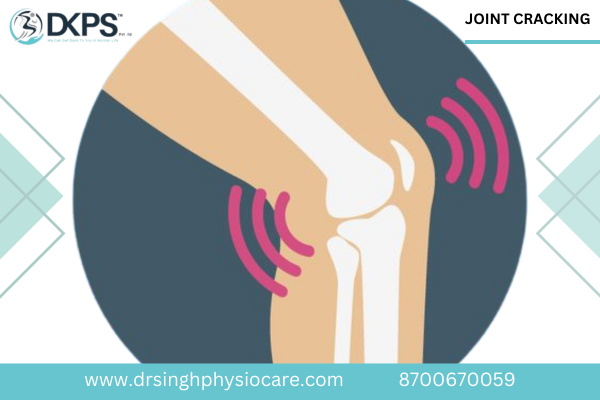
Joint cracking is sometimes performed by:
Cracking joints is harmless. On the other hand, pain could indicate an injury that requires treatment by a physician.
To prevent joint cracking, you can:
Therapy for joint cracking
Treating elbow, shoulder, knee, and other joint crepitus. Home therapies such as taking anti-inflammatory drugs or applying the RICE method (rest, ice, compression, and elevation) help relieve many of the reasons for popping and cracking sounds in the joints. Other factors may necessitate medical attention.
Popping and cracking of the joints are usually not harmful. But if the noises are accompanied by pain, swelling, or stiffness, you should see a doctor.
Some causes of joint cracking include:
You can try these exercises to stop your joints from cracking:
Aerobic exercise, Strength training or weight lifting, Stretching, Neuromuscular exercise, Balance training, Aquatic exercise.
Joints can crack for a variety of reasons, including:
Joint stiffness
Escaping air
Vitamin D and calcium deficiency
Dehydration
Muscle activity
Cartilage loss.
Joint cracking is often associated with aging, but it can also affect people of any age. While joints that crack may seem like a cause for concern, most cases are relatively normal and harmless.
Synovial fluid lubricates joints and is made of oxygen, carbon dioxide, and nitrogen. The noise when you crack a joint is often escaping gases.
To stop the urge to crack your joints, you can try:
Finding another way to relieve stress, such as
Deep breathing
Exercise or
Meditation
Occupying your hands with other stress relievers, such as
Squeezing a stress ball or
Rubbing a worry stone
Joint cracking therapy
There are a number of therapies and methods that you may take into consideration to help control any underlying issues or relieve the agony you are experiencing if your joints are breaking frequently. To ascertain the best course of action for your particular circumstances, it’s crucial to speak with a healthcare provider or specialist, like a rheumatologist.
Here are some potential therapies and strategies:
1. Physical therapy: If joint cracking is caused by muscle imbalances or joint hypermobility, a physical therapist can offer exercises and strategies to increase joint stability and lessen joint cracking.
2. Range of Motion Exercises: Moderate to controlled range of motion exercises can lessen joint cracking and enhance joint function. You can follow the advice of your physical therapist to complete these activities safely.
3. Strengthening Exercises: Increasing the strength of the muscles surrounding the joint will help to stabilize it and lessen the chance that it will shatter. A customized workout regimen can be created by a physical therapist.
4. Orthodontics: Orthotic devices, such as braces or splints, may be suggested in some situations to support and stabilize the joint and lessen joint cracking.
5. Medication: Your doctor may recommend medication to control pain and inflammation if joint cracking is the result of an underlying illness like arthritis.
6. Hydration and Nutrition: You can preserve joint health and the quality of your synovial fluid by drinking plenty of water and eating a balanced diet rich in nutrients.
7. Behavioral Modification: Consulting with a behavioral therapist or counselor can assist you in lessening the temptation to crack your joints if it’s a habit.
8. Supportive Techniques: Methods such as massage, heat/cold treatment, and yoga can ease pain and help to keep joints comfortable.
9. Injections: To treat joint pain and inflammation, particularly in cases of osteoarthritis, injections of hyaluronic acid or corticosteroids may be utilized.
10. Surgery: To treat the underlying problem, surgical intervention may be taken into consideration in rare instances where joint cracking is caused by significant joint damage or instability.
Having a medical expert evaluate your problem and offer advice on the best course of treatment is imperative. It’s usually best to avoid trying to violently fracture your joints or attempt to self-manipulate as these can result in harm.
The management strategy for joint cracking will ultimately rely on the degree of discomfort or difficulty it creates as well as any underlying causes. Always seek medical advice from a physician to find the best course of action for your particular circumstances.
Conclusion
In summary, joint cracking is a common occurrence that can affect different joints across the body. It can arise from several sources such as habitual cracking, age-related changes, joint hypermobility, and gas bubble release (cavitation), and is generally benign. On the other hand, joint cracking that is accompanied by discomfort, edoema, or stiffness could indicate an underlying medical issue such as arthritis or unstable joints.
It’s critical to speak with a healthcare provider if your joint cracking is widespread or regular and causing you discomfort or anxiety. They are able to evaluate your condition, carry out any required testing, and suggest suitable treatments or interventions. Physical therapy, exercises, medicine, and other treatments customized to your unique circumstances may be available as treatment choices. To preserve joint health and general wellbeing, it is imperative to address any underlying problems.